Pickleball Beginner Essentials: Gear Up with Ramsports
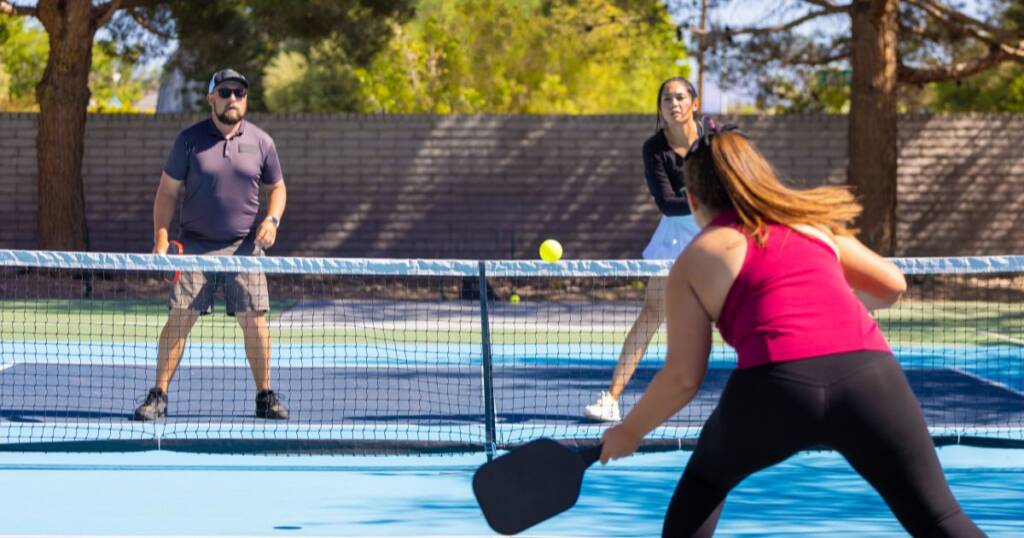
Pickleball is exploding for a reason: it’s social, fast to learn, and ridiculously fun. But your first sessions can feel chaotic, What paddle do I buy? Which balls go where? Do my running shoes work?
This Ramsports guide strips it down to just what you need (and why), so you can show up confident, safe, and ready to rally.
The Shortlist
-
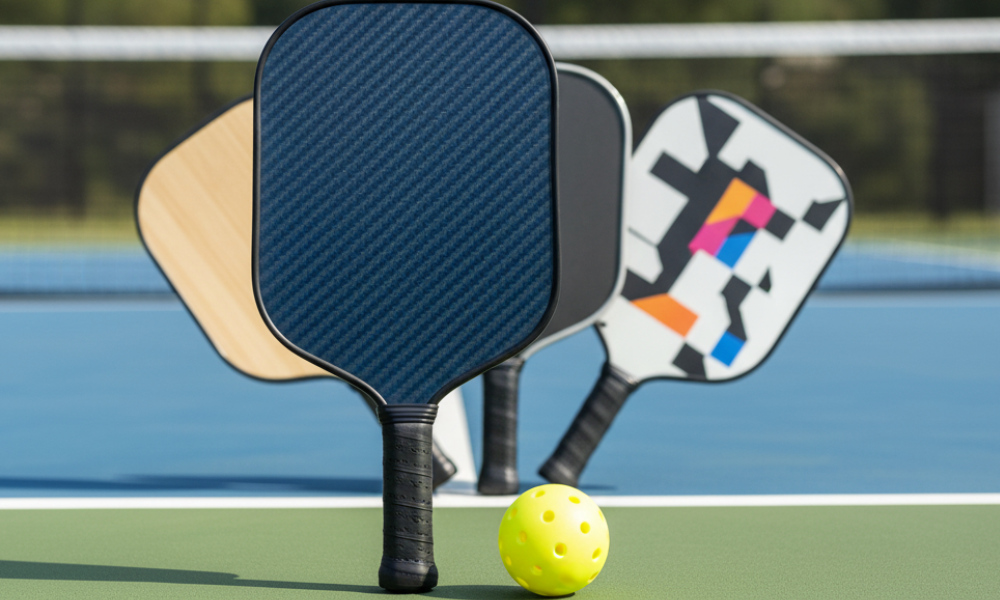
Paddle: Light–medium weight, comfortable grip, USAPA-approved.
-
Balls: Indoor vs. outdoor are different—choose for your court.
-
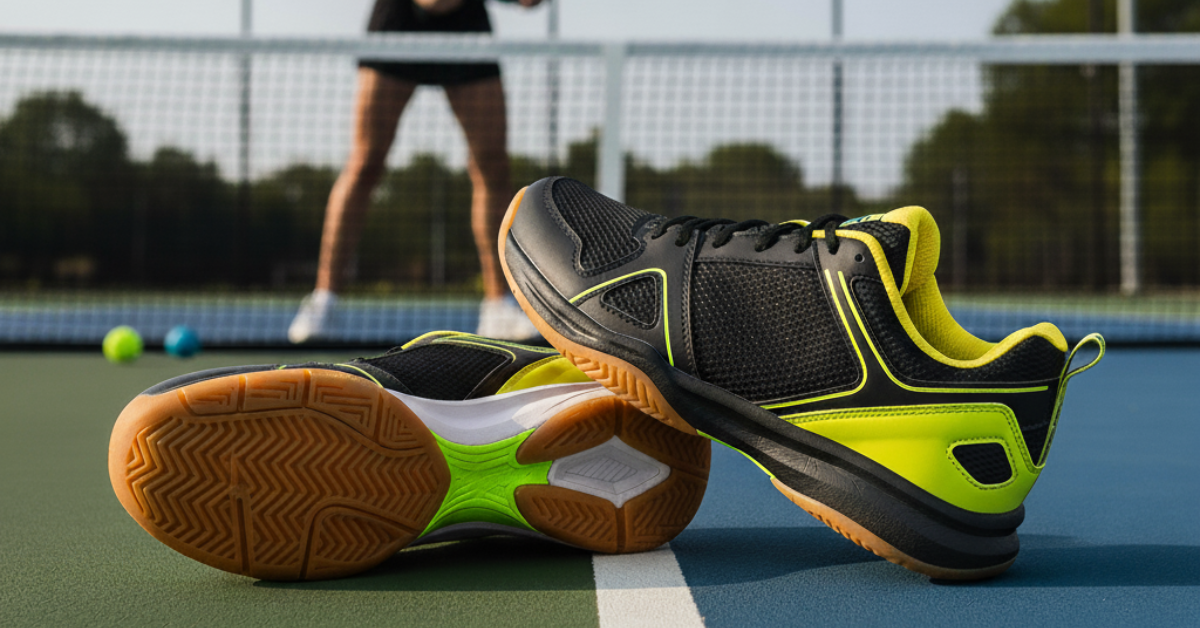
Court Shoes: Non-marking soles with lateral support (not running shoes).
-
Bag: Holds paddle(s), balls, water, and essentials.
-
Hydration & Sweat Control: Water bottle, towel, wristbands/hat.
-
Safety & Comfort: Sunglasses/eye protection, sunscreen, optional supports.
-
Nice-to-Have: Overgrips, edge-guard tape, mini first-aid, rule card.
1) Paddle: Your Most Important Pick
The right paddle makes learning easier and kinder on your joints.
What to look for
-
Weight: 7.3–8.3 oz (light to mid). Lighter = quicker hands; heavier = more power but more fatigue.
-
Surface/Face: Graphite/carbon = crisp control; fiberglass = a bit more pop.
-
Core: Polypropylene (PP) honeycomb is the modern standard—stable and quiet.
-
Grip Size: Most beginners fit 4–4¼ in. If between sizes, go smaller and add an overgrip.
-
Shape: Standard = larger sweet spot and control; elongated = extra reach and leverage.

Starter picks (good–better–best)
Good — Forgiving & budget-friendly
PP honeycomb core + fiberglass/entry carbon face, standard shape
-
Big sweet spot, soft feel, and easy control for new players.
-
Pair with a tacky overgrip if your hands run sweaty.
Better — Control with spin headroom
Carbon Fiber 3K • Fine-Matte • PP Honeycomb • UV-printed backing
-
3K carbon adds feedback and spin; fine-matte texture helps shape dinks, drops, and serves.
-
UV-printed backing protects graphics and preserves face feel over time.
Best — Stable, tournament-ready pop
Toray T700 Carbon • Fine-Matte • PP Honeycomb • Partial Foaming • UV-printed backing)
-
Toray T700 delivers a crisp, predictable response; partial foaming at the perimeter expands the sweet spot and calms vibrations on fast exchanges.
-
Ideal once you’re countering at the kitchen and driving with confidence.
Tip: If your wrist or elbow gets sore, try a slightly lighter paddle or add a cushioned overgrip to reduce grip pressure.
2) Balls: Indoor vs. Outdoor (Yes, It Matters)

-
Outdoor balls use smaller, more numerous holes and a harder plastic to handle wind and grit. They bounce lower and travel faster—perfect for parks and driveways.
-
Indoor balls have larger, fewer holes and are softer for gym floors—slower and more controllable.
Buy 3-6 so you’re not stuck when one cracks.
3) Footwear: Save Your Joints, Win More Points
Running shoes are made for straight-line motion. Pickleball is quick stops and lateral bursts.
Choose court shoes (pickleball/tennis specific):
-
Non-marking outsole with durable herringbone tread
-
Sidewall stability plus firm heel lockdown
-
Breathable upper for heat
Fit should be snug at the midfoot with a thumb’s width at the toes. If you’ve had ankle tweaks, consider light ankle braces.
4) The Bag: Organize to Play More, Fiddle Less

Look for:
-
Separate paddle sleeve
-
Ventilated shoe/dirty-clothes pocket
-
Quick-grab pocket for balls/keys/wallet
-
Insulated bottle sleeve (clutch in summer)
Backpack or sling, just keep it light and tidy.
5) Hydration & Sweat Control
-
Reusable bottle (24–32 oz)—sip between games.
-
Towel + wristbands for a dry, secure grip.
-
Hat/visor to manage glare and track lobs.
6) Safety & Comfort Extras
-
Sunscreen (SPF 30+) and lip balm for outdoor play.
-
Eye protection/sunglasses (polycarbonate lenses) against mishits and sun.
-
Compression sleeves/knee support if you’re returning to sport or prone to soreness.
-
Mini first-aid: blister bandages, tape, ibuprofen/ice pack.
7) Overgrips & Paddle Care
-
Overgrips boost tack and add ~0.5–1.0 mm thickness per layer. Replace every 10–15 hours of play (or when slick).
-
Edge-guard tape protects the rim if you dig low dinks.
-
Cleaning: Wipe the face with a slightly damp cloth. Skip harsh solvents. Don’t bake your paddle in a hot car.
8) Apparel: Move Freely, Stay Cool
-
Moisture-wicking tops/shorts or skirts with ball pockets.
-
Crew or quarter socks with cushioned heel/toe (blister prevention).
-
Layer up for chilly mornings; shed as you warm up.
9) Beginner-Friendly Etiquette (Win Friends Fast)
-
Call the score loudly before serving (server score – receiver score – server # in doubles).
-
“Ball on!” Stop play and return strays safely (underhand to baseline).
-
Respect the kitchen (NVZ): No volleys with feet in the non-volley zone.
-
Paddle tap at the end—friendly vibes > fiery tempers.
10) Smart First Upgrades (When You’re Hooked)
-
Second paddle (different weight or surface) for windy days or singles.
-
Ball hopper to speed up drills.
-
Clinic or coach for dinks, drops, and resets—skills beat gear upgrades.
-
Perimeter lead tape (advanced): can fine-tune swing weight; start simple.
Quick Setup & Sizing Cheats
-
Grip size: If unsure, choose smaller and add 1 overgrip.
-
Paddle weight: Elbow sensitive? Try 7.6–7.9 oz.
-
Shoes: Replace every 60–80 hours of play (or when tread smooths).
-
Balls: Outdoor balls crack—bring spares.
Pack-and-Play Checklist
-
Paddle (+ spare overgrip)
-
6–12 balls (indoor or outdoor to match your court)
-
Court shoes + fresh socks
-
Water bottle (filled)
-
Towel/wristbands, hat/visor
-
Sunscreen, sunglasses/eye protection
-
Small first-aid + tape
-
Wallet/keys/phone in zip pocket
-
Rule card (handy for newbies!)
Final Rally
Your first month of pickleball should feel inviting, not overwhelming. Start with a comfortable paddle, supportive shoes, and a few practice habits, and the game will open up fast. When you’re ready to fine-tune feel and stability, look for the Ramsports carbon builds above, designed for reliable touch at the kitchen and confident drives off the baseline. See you on court.